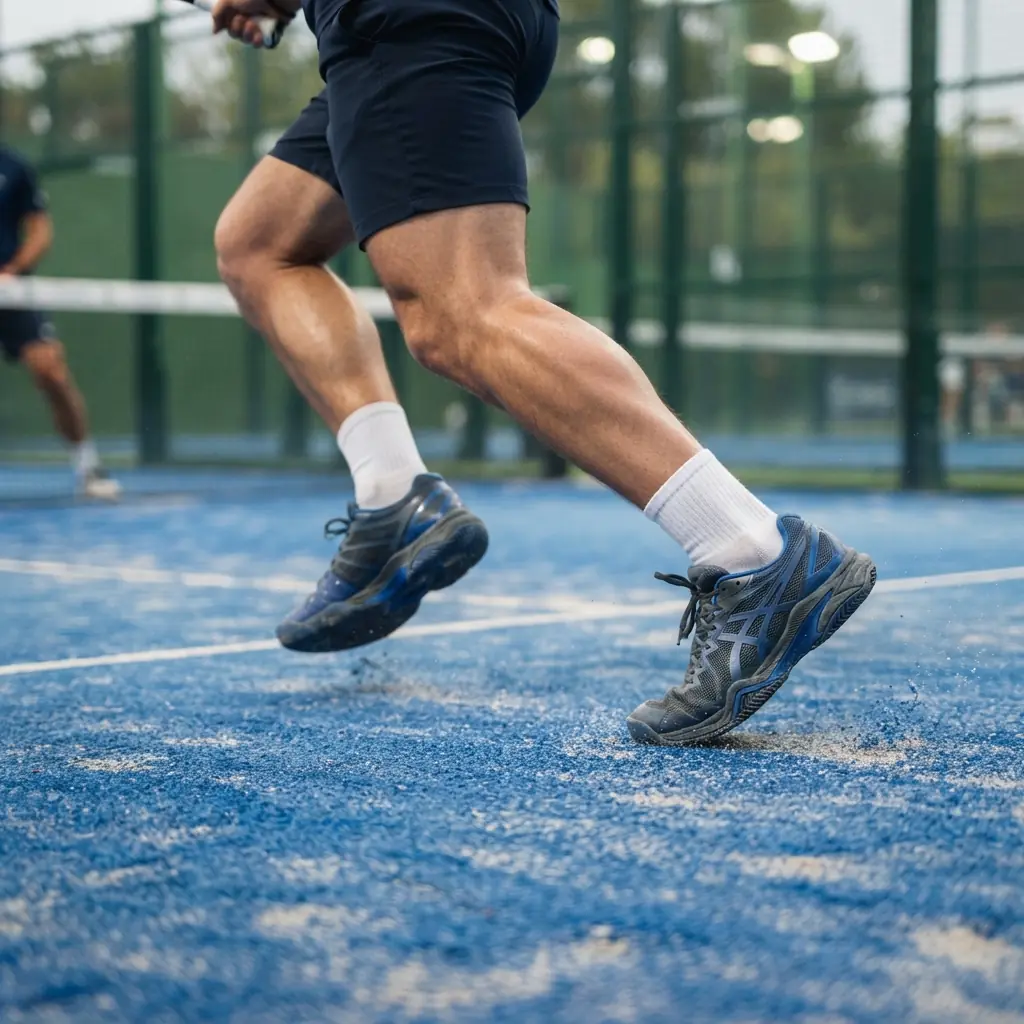
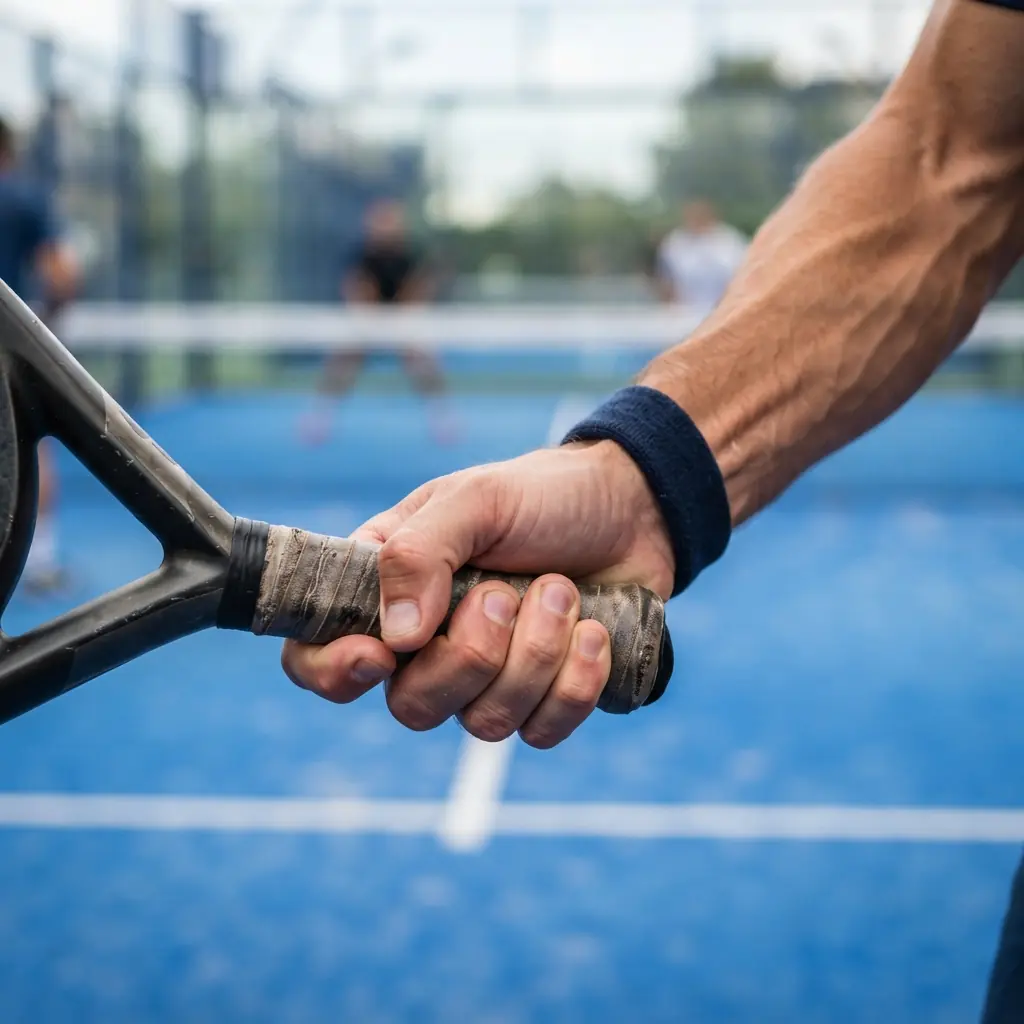
Pickleball elbow, essentially the same repetitive-strain tendon issue as tennis elbow, is common enough among regular players that it has its own nickname. A brace will not fix the underlying cause, which is usually some combination of paddle weight, grip size, stroke mechanics and simply playing volume, but the right one can meaningfully reduce the load on the tendon while you address those other factors. This guide covers three well-established options across the two main approaches: counterforce straps and compression sleeves.
Full Spec Comparison
| Product | Type | Best For | Key Detail |
|---|---|---|---|
| Bauerfeind EpiTrain Elbow Support | Compression sleeve | General tendon support during play | Targeted compression for chronic elbow pain, per the listing |
| Mueller Hg80 Tennis Elbow Support | Elbow support | Tennis and golfer's elbow pain relief | Sold by Mueller Sports Medicine as a premium tennis elbow support |
| McDavid Wrist Support | Neoprene wrist support | Players compensating with wrist position | Latex-free neoprene with a hook-and-loop closure |
These are general sports medicine products, not pickleball-specific, sold across several racket and court sports.
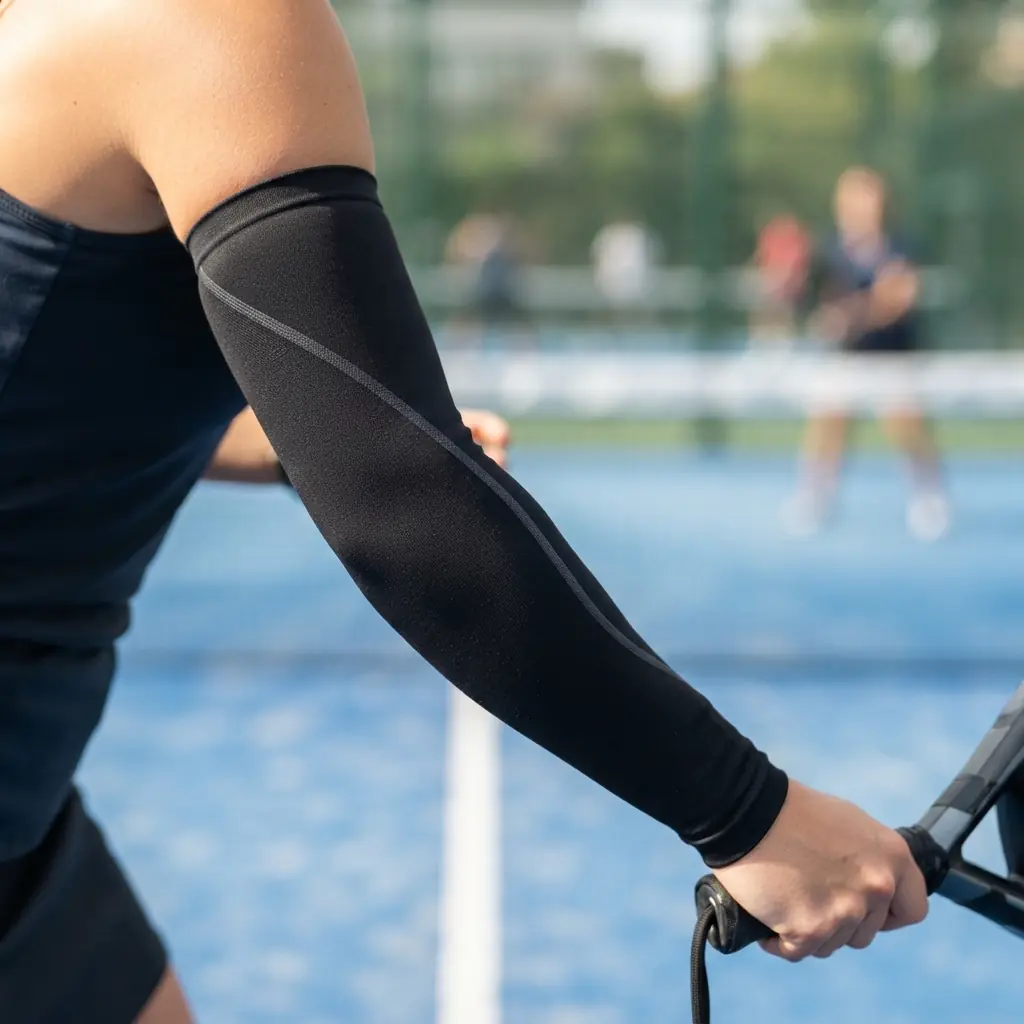
WORN OVER THE JOINT
WORN BELOW THE ELBOW
What to Look For in an Elbow or Wrist Brace
The first decision is compression sleeve versus counterforce strap, and they're not interchangeable. A compression sleeve covers the whole joint and is aimed at general support and swelling reduction, while a counterforce strap applies focused pressure to the tendon below the elbow, which is the more common approach for a diagnosed case of tennis or golfer's elbow. Some players use a sleeve for everyday play and a strap when symptoms flare up.
Fit matters more than most players expect. A compression sleeve that's too loose won't do anything useful, and one that's too tight can restrict circulation during a long match. Most brands publish a measurement guide based on forearm or wrist circumference, and it's worth measuring before ordering rather than guessing a size.
The Comparison
1. Bauerfeind EpiTrain Elbow Support
Bauerfeind is a German sports medicine brand, and the EpiTrain is its elbow support built around targeted compression over the joint for chronic elbow pain. It's a support players tend to wear for every match rather than only during a flare-up, and it's the most expensive option here by a wide margin.

Bauerfeind EpiTrain Elbow Support
$99.90A German-made elbow support built around targeted compression over the joint for chronic elbow pain. The knitted fabric with built-in stabilizing elements is breathable and adapts to movement, with a softer, more elastic edge so it will not cut in or slip. The listing mentions golfer's and tennis elbow, arthritis and injury recovery. It is the premium option here, and players tend to wear it every match. Sizing depends on forearm circumference measured 4 3/4 inches below the elbow, and the listing shown is Size 3 in black.
2. Mueller Hg80 Tennis Elbow Support
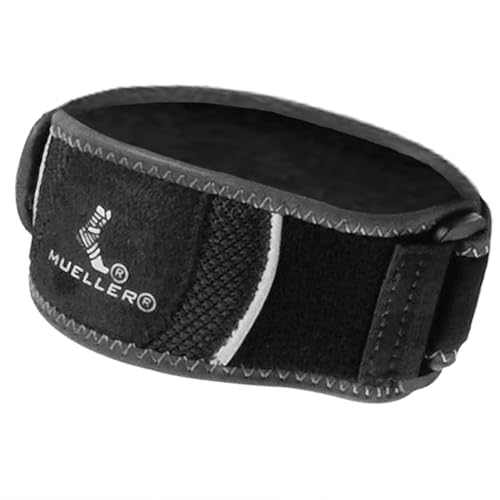
Mueller is one of the longest-established names in sports medicine bracing, and the Hg80 is sold specifically as a tennis elbow support, aimed at the tendon strain that pickleball elbow shares with tennis and golfer's elbow. It's the lower-cost, more targeted of the two elbow picks.
Mueller Hg80 Tennis Elbow Support
$19.44A strap-style elbow support from Mueller, sold as a tennis elbow and golfer's elbow brace and aimed at the tendon strain pickleball elbow shares with those conditions. Targeted compression, an adjustable design that slides on and tightens to comfort, and HydraCinn moisture-wicking fabric keep it in place while you are active. It fits either elbow. Measure around your elbow first: S/M fits 7 to 11 inches and L/XL fits 11 to 15 inches. The listing shown is Small/Medium in black.
3. McDavid Wrist Support
McDavid's wrist support is a simple neoprene design with four-way stretch and a hook-and-loop closure, so you can adjust the fit. It's aimed at general wrist strain rather than a diagnosed injury, which makes it a sensible add-on for anyone whose elbow pain has changed how they hold the paddle.

McDavid Wrist Support
$12.12A simple wrist support in latex-free neoprene, with four-way stretch for added compression and hook-and-loop closures so you can adjust the fit. The listing describes thermal and compression therapy for non-specific wrist issues, and it fits either wrist. It is aimed at general wrist strain rather than a diagnosed injury. That makes it a sensible add-on if elbow pain has changed how you hold the paddle.
Verdict
A compression-style elbow support and a tennis elbow strap-style support solve slightly different problems, so the right starting point depends on whether you're managing general soreness or a more specific strain. The Mueller Hg80 is the practical first purchase at its price, while the Bauerfeind EpiTrain is the premium option for players who want one support for every match. The McDavid wrist support is a smaller, complementary purchase for anyone compensating with their wrist. None of these replace addressing paddle weight, grip size or stroke mechanics, which are usually the actual cause. See our elbow prevention guide and grip size guide for the rest of that picture.
Frequently Asked Questions
Will a brace fix pickleball elbow?
No. A brace manages symptoms by reducing load on the tendon, it doesn't address the underlying cause, which is usually paddle weight, grip size, stroke mechanics or simply playing volume. Persistent pain is worth seeing a physical therapist about rather than just bracing through it.
Should I wear a compression sleeve or a counterforce strap?
A compression sleeve covers the whole joint and suits general, everyday support. A counterforce strap applies focused pressure below the elbow and is the more common recommendation for a specific, diagnosed case of tennis or golfer's elbow. Some players use both, a sleeve for regular play and a strap when symptoms flare up.
How tight should an elbow or wrist brace fit?
Snug enough to stay in place during play without sliding, but not so tight that it restricts circulation or leaves marks after removal. Most brands publish a sizing chart based on forearm or wrist circumference, measuring before ordering is more reliable than guessing.