Racket shape gets most of the attention in padel buying advice, but weight and balance point do just as much work in how a racket actually feels and plays — and they're the specs most beginners skip past entirely. Here's what each one actually changes.
350–385G RANGE
WHERE THE MASS SITS
Weight Ranges Explained
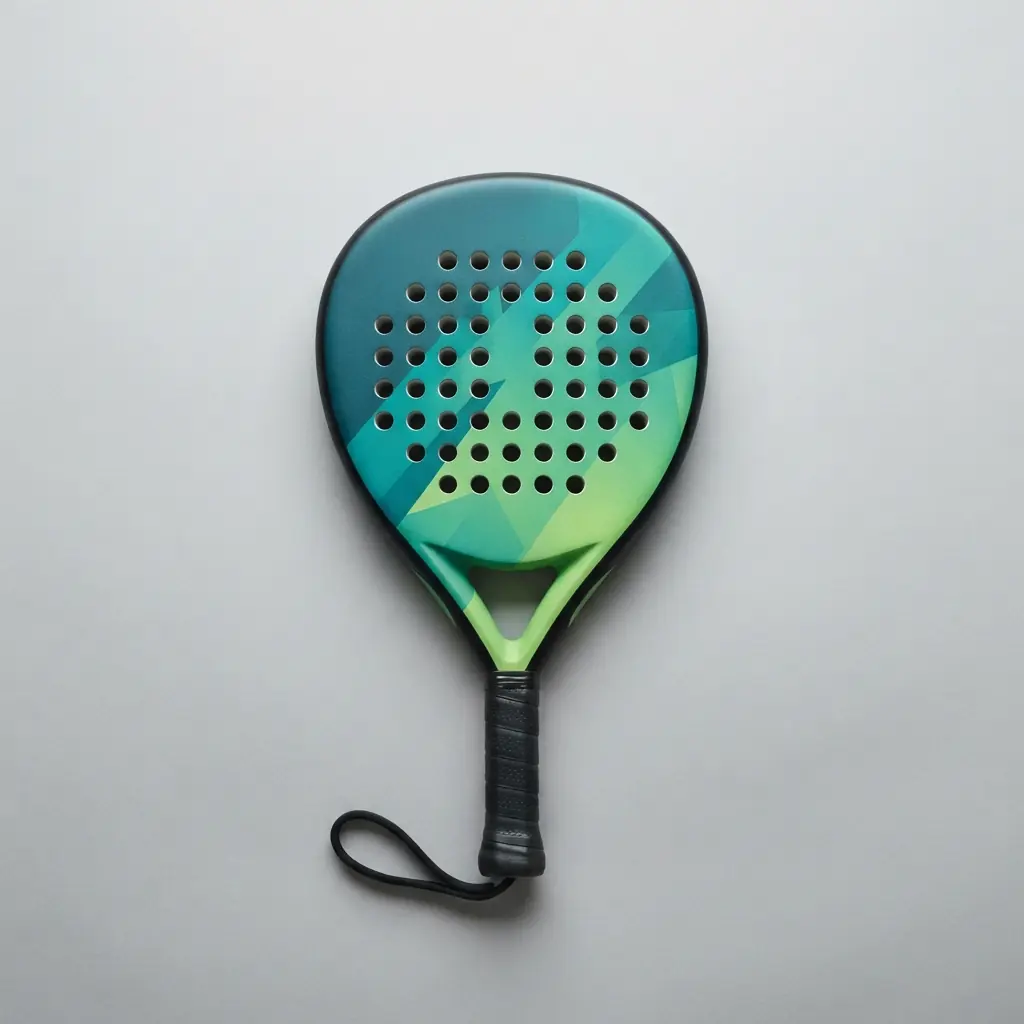
Most padel rackets fall between 350g and 385g — a meaningfully heavier range than it might look at a glance, since a padel racket is roughly the same size as a pickleball paddle, which typically weighs closer to 210–235g. Lighter rackets in the 350–365g range favor quick reactions at the net and put less cumulative strain on the arm over a long session. Heavier rackets in the 370–385g range trade some of that maneuverability for added stability and natural power on drives and smashes, without needing as much added swing effort.
Head-Heavy vs Even vs Handle-Light
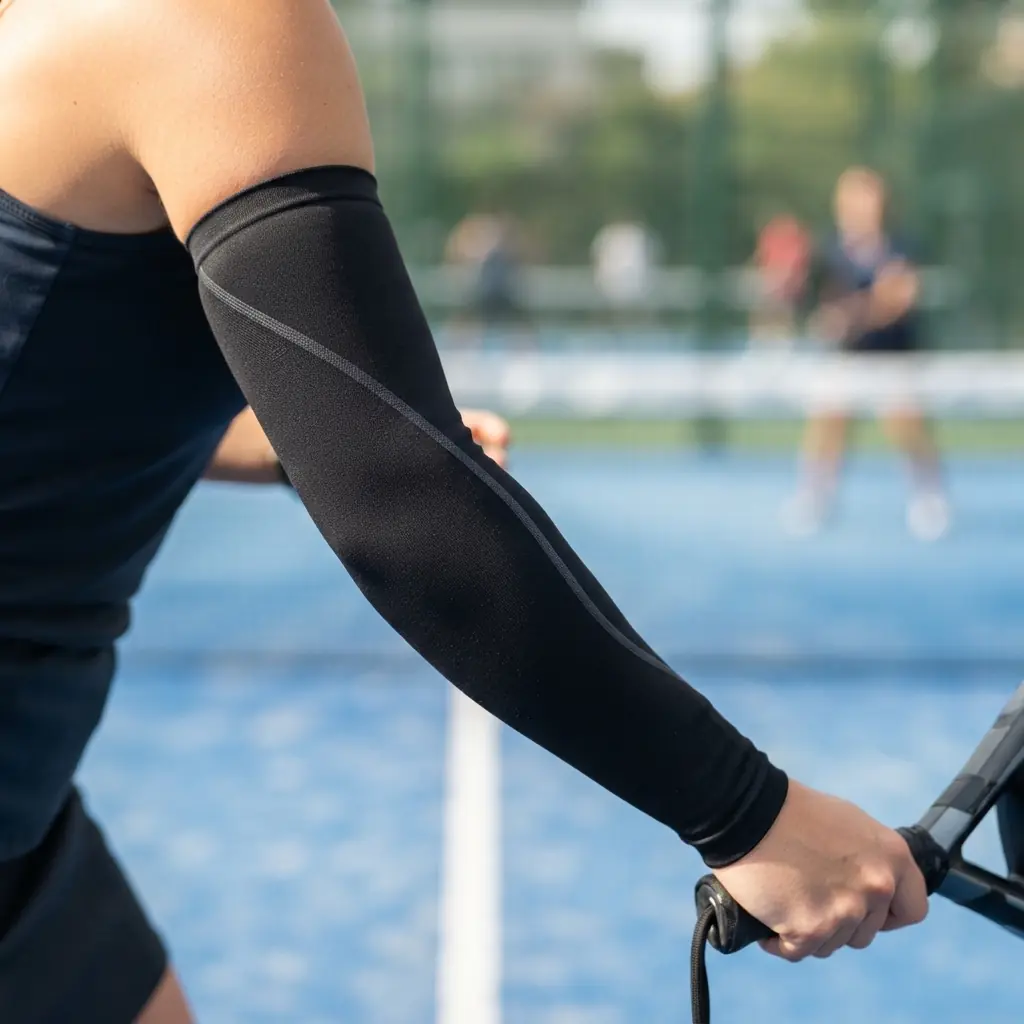
Manufacturers typically describe balance point as low (handle-heavy), medium (even), or high (head-heavy) — referring to where the racket's center of mass sits relative to the handle, independent of its total weight. A head-heavy racket generates more power with less swing effort, which suits aggressive, attacking players, but it's harder to maneuver on defense and puts more strain on the wrist, elbow and shoulder if your technique isn't clean — worth knowing if you're also managing elbow or wrist strain. A handle-light racket feels lighter in the hand during fast exchanges and reacts quicker at the net, at the cost of some raw power. Even balance splits the difference, which is why it's the common default recommendation for players who haven't settled into a clear attacking or defensive style yet.
Two rackets can share the exact same static weight and still feel completely different in your hand — balance point, not total weight, usually explains why.
How Balance Connects to Shape
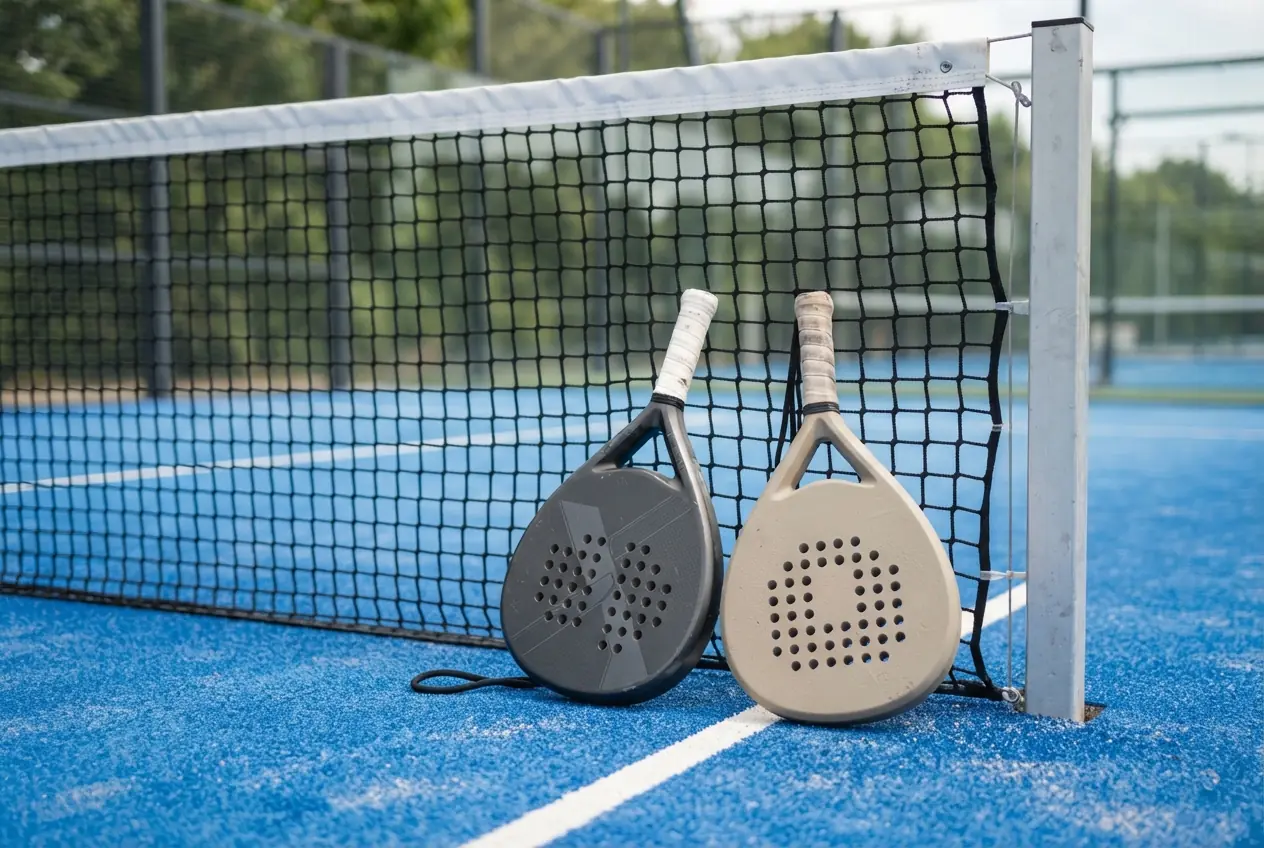
Balance point isn't chosen independently of shape — the two are closely linked by design. Diamond rackets typically run head-heavy, reinforcing the shape's already power-focused sweet spot. Round rackets typically run even-to-handle-light, reinforcing their forgiving, control-first profile. Teardrop rackets usually land in between, matching the shape's hybrid role. See our padel racket shapes guide for the full breakdown of how shape itself changes your sweet spot.
Wilson Bela V3 Padel Racket
~$310Teardrop shape, genuinely even-leaning balance, co-designed with Fernando Belasteguín
Picking the Right Spec for Your Game
If you're newer to padel or dealing with any arm, elbow or shoulder discomfort, start lighter and more even-balanced — both are easier to adjust away from later than a too-heavy, too-head-heavy starting point is to adjust into. More advanced, aggressive players who already generate their own racket speed can lean into a heavier, more head-heavy setup for extra power on smashes without sacrificing as much control as a true beginner would. For the rackets that pair these specs with real price points, see our budget padel rackets guide and premium padel rackets guide.