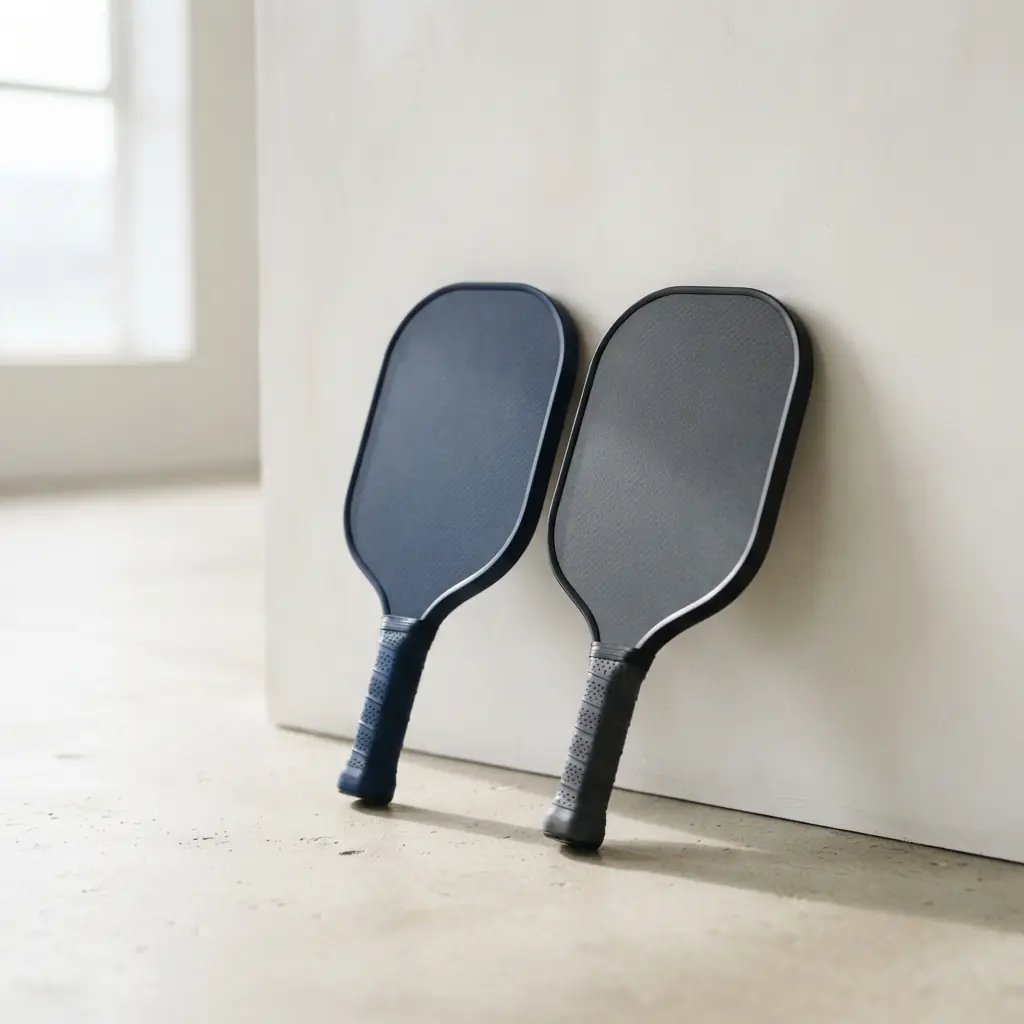
Overgrips solve most players' sweat problems, but for some players — heavy sweaters, humid climates, long tournament days — the paddle still starts slipping mid-rally no matter how fresh the grip is. That's the specific problem a pickleball glove solves, and it's a smaller, more specialized market than paddles or apparel: a handful of brands make a real product here, not dozens. This guide compares four gloves at different price points.
Full Spec Comparison
| Model | Palm Material | Sold As | Best For | Typical Price |
|---|---|---|---|---|
| Selkirk Boost Glove | Honeycomb-textured synthetic | Single glove | All-around grip in heat and sweat | ~$18 |
| Franklin Sports Pickleball Glove | Synthetic leather palm | Single glove | First-time buyers, budget | ~$12 |
| CUZINA HexPro Pickleball Glove | Reinforced textured palm | Single glove | Durability over many sessions | ~$45 |
| CUZINA Ultra Light Pickleball Glove | Lightweight ventilated synthetic | Single glove | Hot-weather breathability | ~$30 |
Prices are typical street prices at the time of writing and vary by retailer, size and colorway. Confirm current pricing before buying.
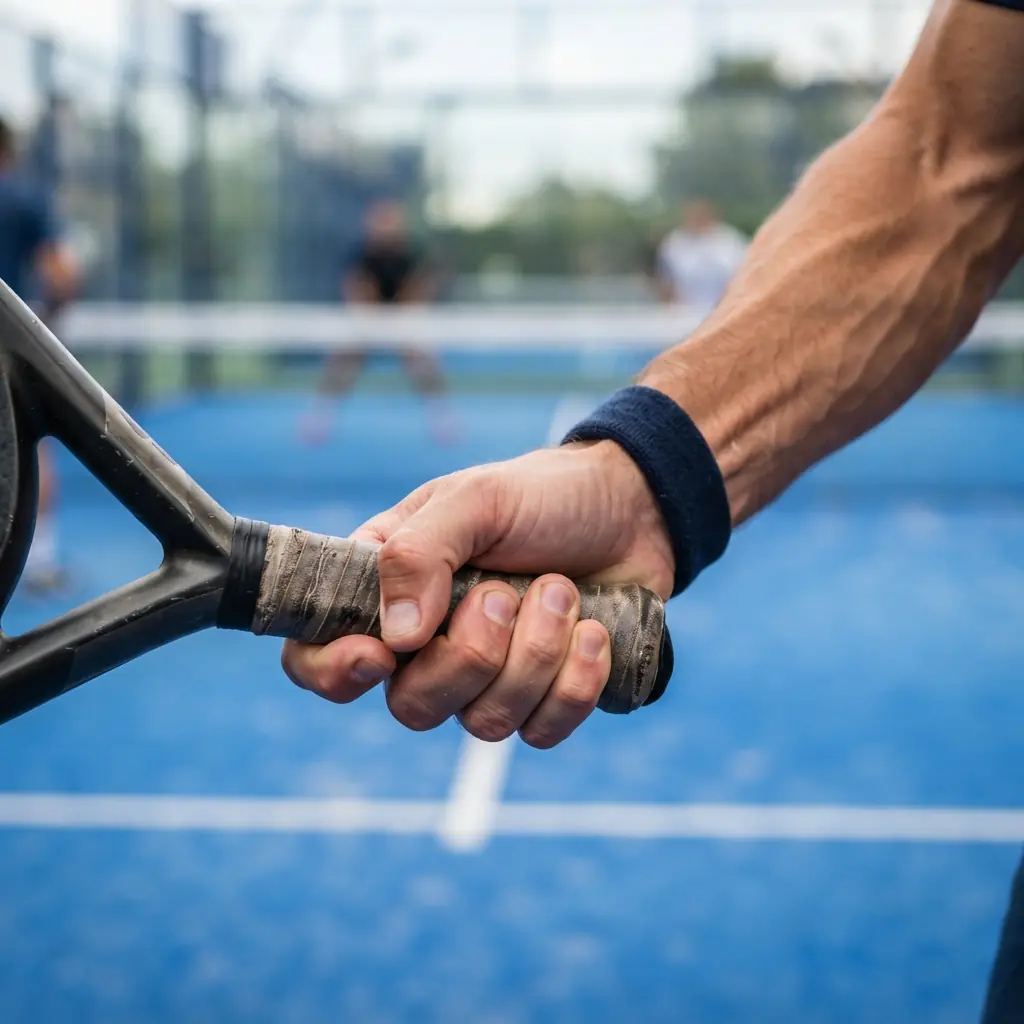
WHEN OVERGRIPS AREN'T ENOUGH
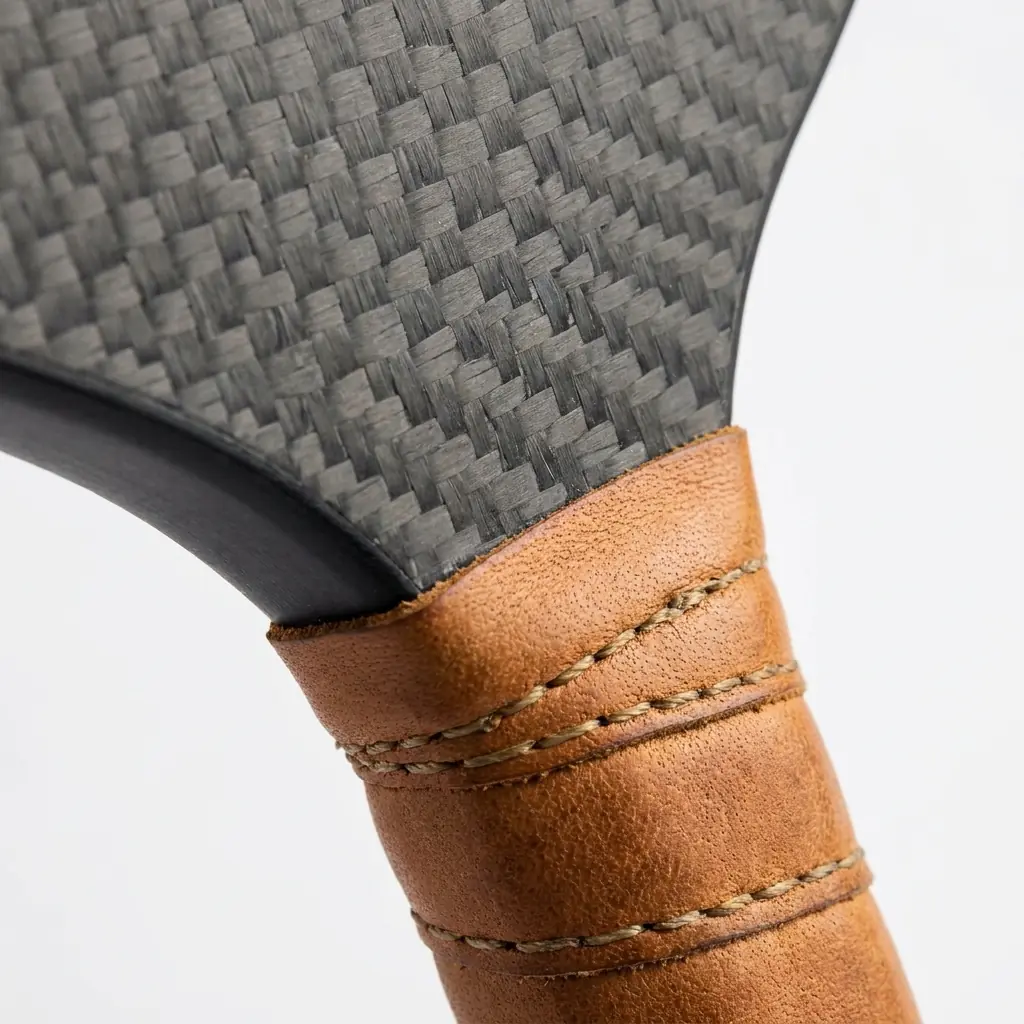
SNUG THROUGH THE PALM
What to Look For in a Pickleball Glove
Palm material is the first decision. Most gloves use a textured or perforated synthetic leather designed to stay tacky when wet rather than slick — the tradeoff is thickness, since more texture and padding can slightly dull feel at the net. If touch matters more to you than raw grip security, look for a thinner, more minimal palm.
Breathability on the back of the hand matters more than it sounds like it would. A best-of-three tournament day in the sun means hours with a glove on, and a mesh or ventilated back keeps your hand from overheating inside the glove itself, which paradoxically can make sweat problems worse, not better.
Almost every glove on the market is sold as a single glove for your paddle hand, priced accordingly — that's normal for the category, not a listing error, but it's worth double-checking before you buy if you were expecting a pair.
The Comparison
1. Selkirk Boost Glove (~$18)
Selkirk's Boost Glove uses a honeycomb-textured palm designed to hold grip through rain, heat and sweat, paired with a breathable stretch-knit back for airflow during long points. It's positioned as an all-around option rather than a specialist tool for one condition, which is part of why it's a common recommendation as a first glove.
2. Franklin Sports Pickleball Glove (~$12)
Franklin's single pickleball glove uses a synthetic leather palm at a genuinely low price point, which makes it a reasonable way to find out whether a glove actually solves your specific grip problem before spending more on a specialized option. It's sold in men's and women's sizing, right- and left-hand versions.
Franklin Sports Pickleball Glove
~$12Synthetic leather palm, men's and women's sizing
3. CUZINA HexPro Pickleball Glove (~$45)
CUZINA's HexPro sits at the premium end of the category, with reinforced thumb and forefinger panels built specifically to hold up over many sessions rather than wearing through at the high-friction contact points first. It's the option worth considering if you've already worn out a cheaper glove and know you're a long-term user of the category.
CUZINA HexPro Pickleball Glove
~$45Reinforced palm and finger panels for durability
4. CUZINA Ultra Light Pickleball Glove (~$30)
The Ultra Light trades some of the HexPro's reinforcement for a noticeably thinner, more ventilated build, aimed at players in hot climates who want a glove that doesn't add bulk or trap heat. It's the pick if breathability and feel matter more to you than maximum durability.
A glove is a fix for a specific grip problem, not an upgrade everyone needs — if a fresh overgrip already solves it, save the money.
Verdict
The Selkirk Boost Glove is the most reasonable starting point for most players who've decided a glove is worth trying — it's not the cheapest or the most reinforced, but it doesn't specialize away from anything either. The Franklin Sports glove is the lowest-risk way to test whether a glove solves your specific sweat problem before spending more. The CUZINA HexPro is worth the jump in price only once you know you'll wear a glove every session and want it to last. And the CUZINA Ultra Light is the right call specifically for hot-climate players who found a thicker glove made their hand overheat. For the grip problem a glove doesn't fully solve, see our overgrip guide or the full apparel hub.
Frequently Asked Questions
Do I need a pickleball glove?
Only if you already have a grip problem an overgrip can't solve — typically players whose hands sweat heavily enough that the paddle starts slipping mid-rally even with a fresh, tacky overgrip. If that's not you, a good overgrip alone is usually enough.
Do pickleball gloves come as a pair?
Most are sold as a single glove for your dominant (paddle) hand, not a pair — check the listing before buying, since pricing and packaging vary by brand.
What's the difference between a pickleball glove and a golf or batting glove?
Pickleball gloves are cut thinner through the palm and fingers to preserve feel and touch at the net, and most use a ventilated or mesh back for airflow during long rallies — a batting or golf glove is built for a single grip position, not repeated fast grip changes.
How should a pickleball glove fit?
Snug through the palm with no bunching in the fingers — a loose glove shifts during play and can actually hurt your feel for the paddle. Measure your hand against the brand's specific sizing chart rather than guessing from your regular glove size.