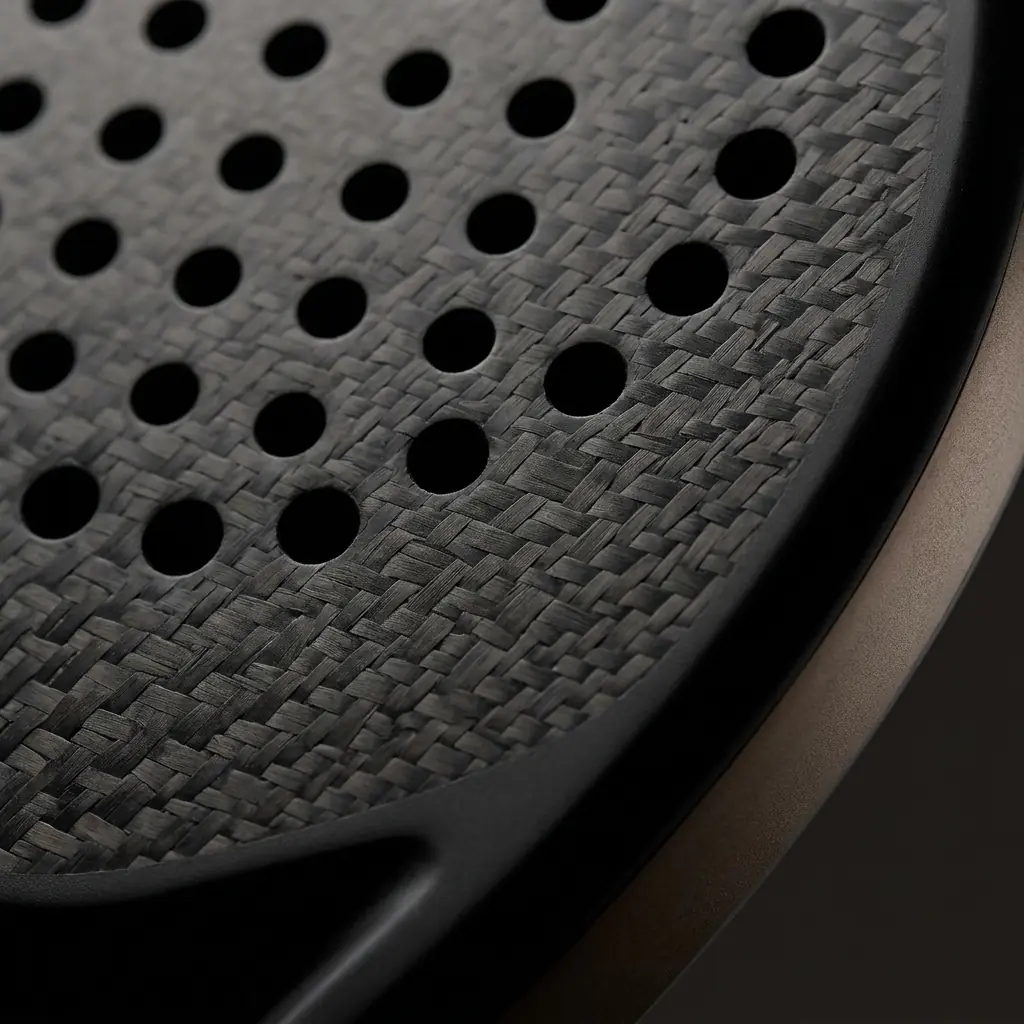
A padel racket doesn't fail suddenly — it degrades gradually, and most players keep playing with a racket well past the point where it's actually still performing at its best. Here's what actually happens to a racket over time, and how to tell when it's genuinely done.
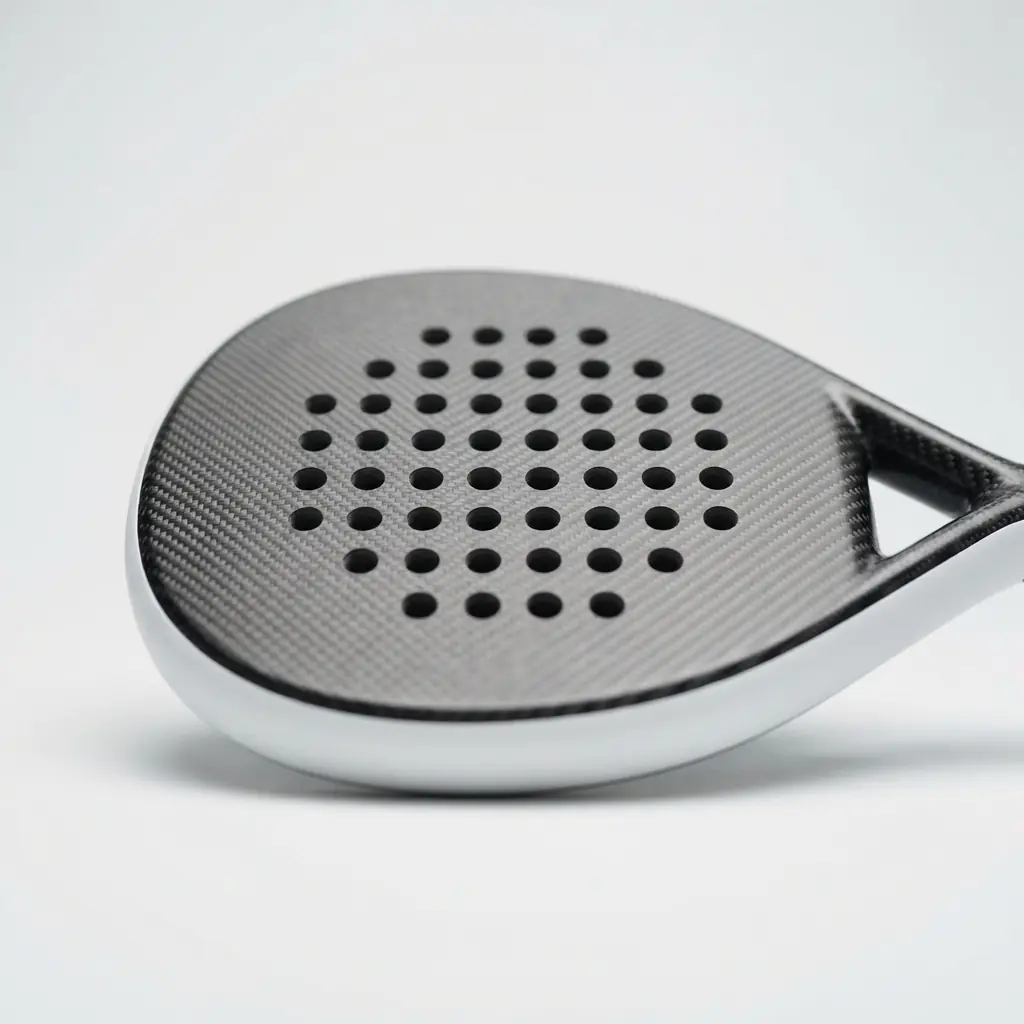
NOT A SUDDEN FAILURE
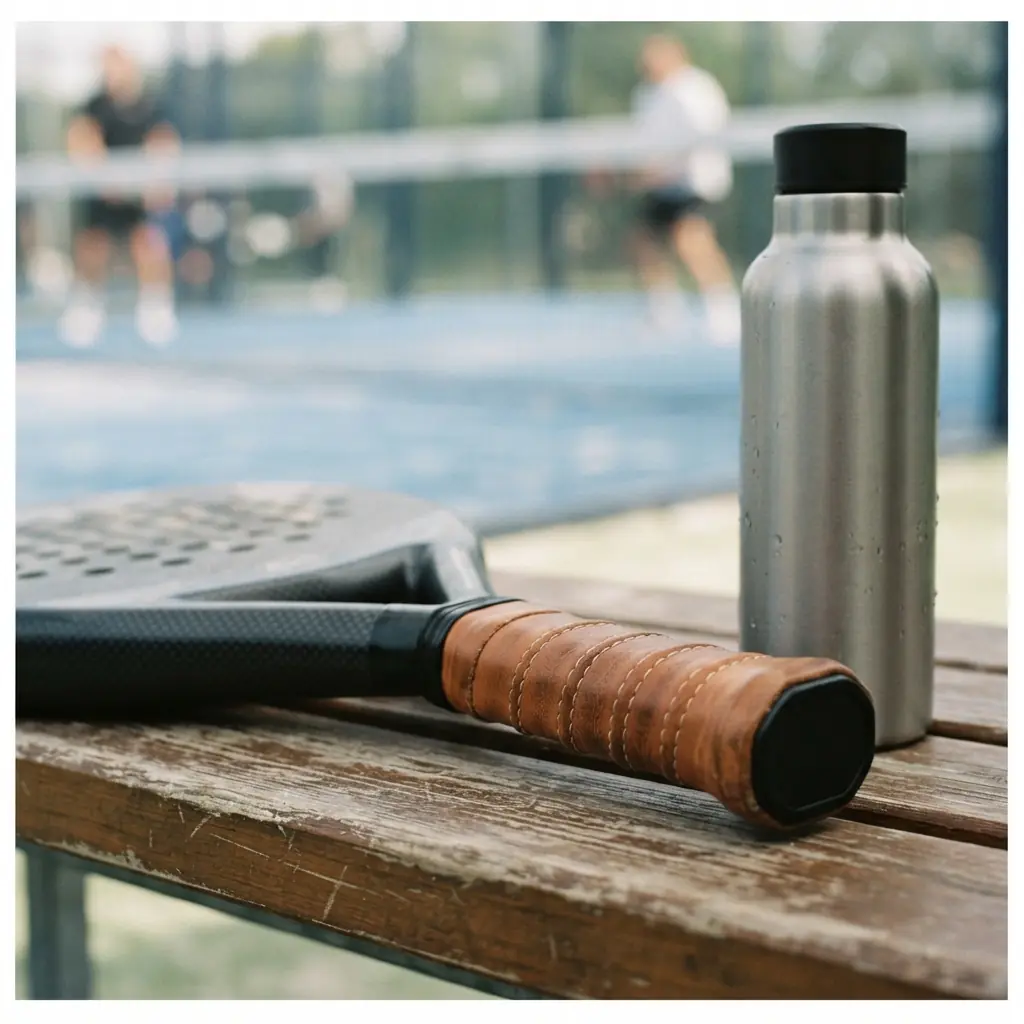
HEAT IS THE REAL ENEMY
How a Racket Actually Degrades
The foam core covered in our core materials guide loses some of its responsiveness over months and years of regular impact, well before any visible damage shows up on the face. The earliest real sign is usually a duller sound on contact and a subtle decline in power on shots that used to feel more lively — changes most players attribute to their own game rather than the racket, since they happen gradually rather than all at once.
Cleaning & Storage
Wipe the face down with a slightly damp cloth after outdoor sessions to remove dust and grit before it works into the surface texture, and let the racket air dry fully before storing it in a bag. Heat is the real long-term risk, not moisture — a racket left repeatedly in a hot car trunk accelerates foam core degradation over time, which is exactly why the thermal-lined bags covered in our padel bags guide exist as a real, functional feature rather than a marketing add-on.
Babolat COURT Backpack LITE
~$65Lightweight everyday bag, keeps a racket protected between sessions
Grip Maintenance
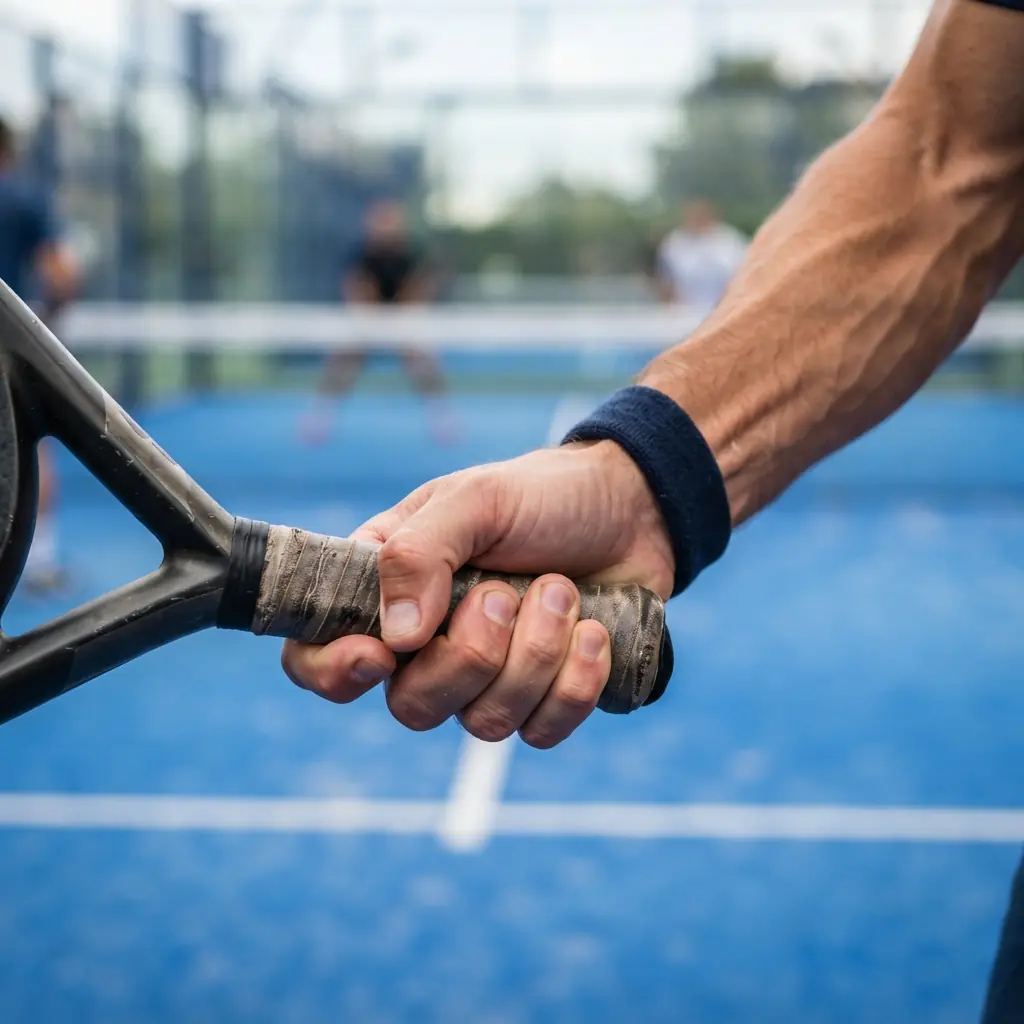
The overgrip is the one component every player should replace proactively rather than reactively — a worn, slick grip is a genuine safety issue on an enclosed court, not just a comfort one, since a racket slipping mid-swing risks going straight into the glass. See our padel overgrips guide for real options and replacement guidance; a good rule of thumb is replacing it every few weeks of regular play, sooner in hot or humid conditions.
Most players replace a racket for the wrong reason — cosmetic wear — while the actual signs of real performance decline, a duller sound and less pop on contact, go unnoticed for months.
The Real Signs You Need a New Racket
Visible cracks anywhere in the face are the clearest, least ambiguous sign a racket has reached the end of its usable life — a cracked face is a structural failure, not a cosmetic one, and continuing to play with one is a genuine risk of the crack spreading mid-swing. Beyond visible damage, a persistent, noticeable decline in power and touch that doesn't match a change in your own game is the other real signal, even without visible cracking. Cosmetic scuffing and paint wear on the face, by contrast, are purely cosmetic and don't affect performance at all — don't replace a racket for looks alone. If you are ready to upgrade, our budget and premium rackets guides cover real options across the price range.