Padel's learning curve is genuinely gentler than tennis and different from pickleball's, but the sport's doubles-only, walled-court format means your first session looks a little different from either. Here's what actually happens the first few times you play, what it costs, and what to buy once you know you're staying.
RENT, DON'T BUY YET
EXPECT TO LOSE TO THE WALLS
Find a Partner (and a Court)
Padel is always doubles, at every level, including casual play — there's no sanctioned singles format. That makes the first step different from picking up pickleball or tennis solo: you need three other people, or a club willing to match you with them. Most dedicated padel clubs run open-play sessions or beginner social mixers specifically to solve this, so you don't need your own foursome lined up before you show up. Booking apps like Playtomic and Matchi also list open games at nearby clubs that you can join directly.
Your First Lesson
Start with a group clinic rather than jumping straight into open play. Beginner group lessons typically cost $10–25 per person when split among several students, and one or two sessions will fast-track you past the habits that are hardest to unlearn later — especially around wall positioning and serve mechanics. Private lessons cost more, usually $40–70 an hour depending on the coach and region, and make sense if you want faster, more individual feedback.
What It Actually Costs
Beyond the lesson itself, expect these typical costs for your first few sessions:
| Item | Typical Cost |
|---|---|
| Group lesson (per person) | $10–25 |
| Private lesson (per hour) | $40–70 |
| Court rental (per session, often split 4 ways) | $20–40 |
| Racket rental (per session) | $5–10 |
| Ball can (3 balls, often shared) | $8–12 |
Prices vary by city and club — treat these as planning ranges, not a quote from any specific facility.
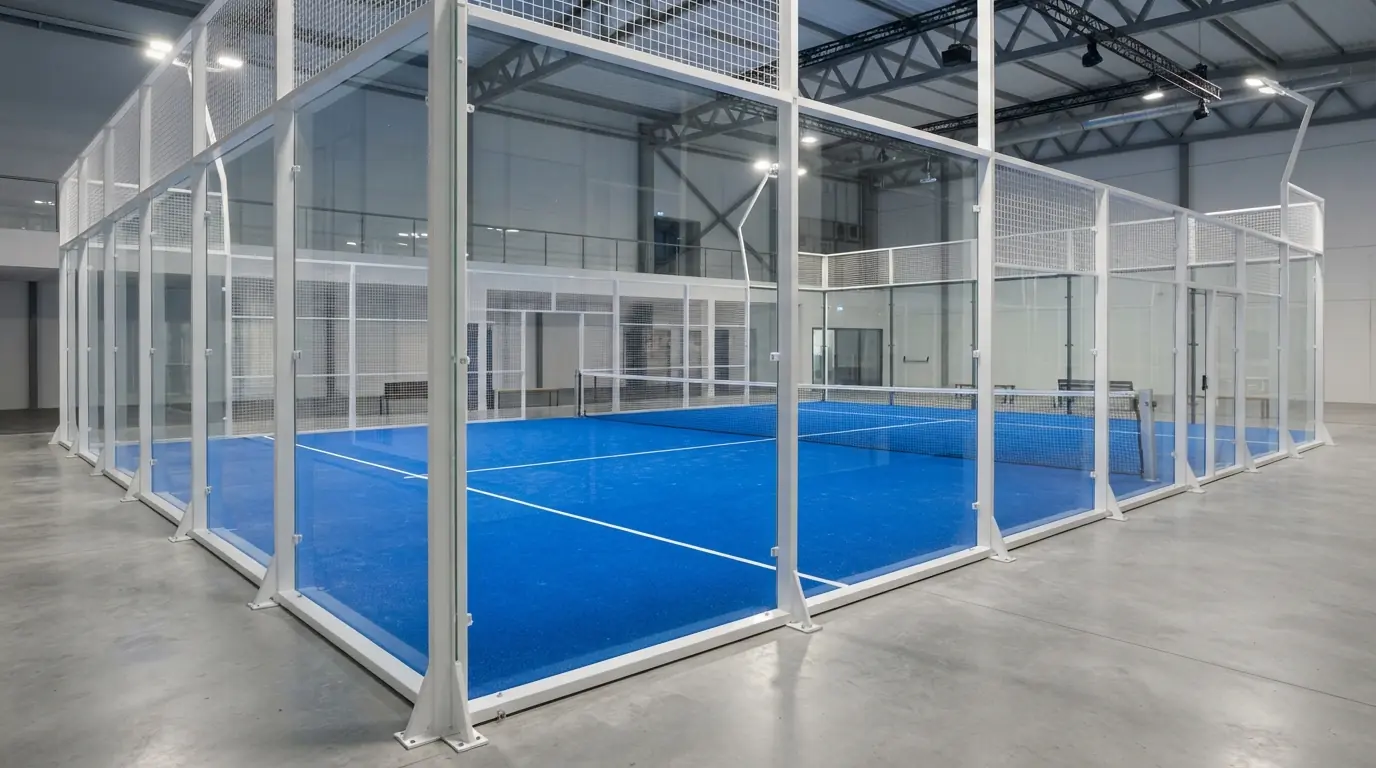
Your first padel session should be about learning the walls, not winning points — everyone loses a rally to a bounce they didn't see coming their first few times on court.
Gear Worth Buying, Once You're Hooked
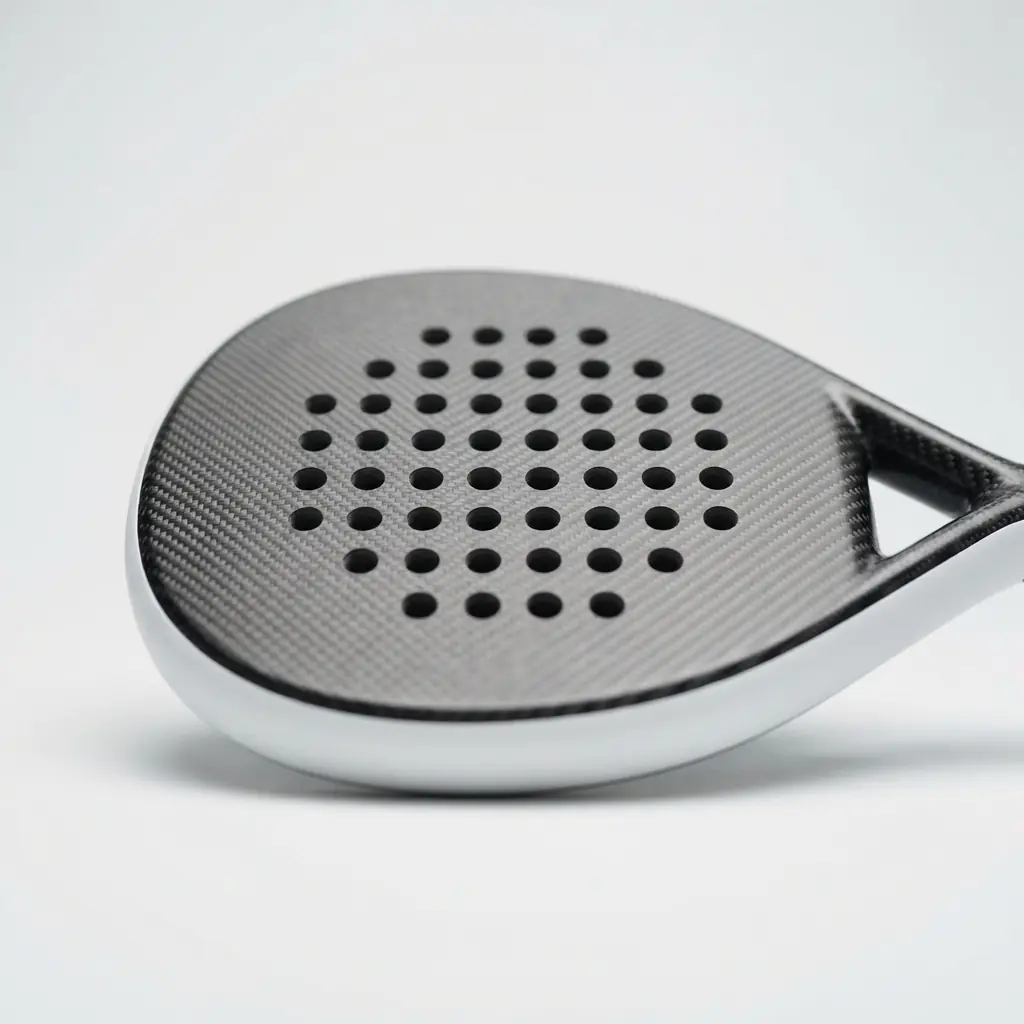
Once you know you're sticking with it, a round-shaped racket with a soft-to-medium EVA core and a large sweet spot is the right first purchase — not a diamond-shaped power racket, which punishes off-center hits far more than it rewards good ones. Look in the $60–150 range for a first racket.
Babolat Contact Padel Racket
~$59Vibrasorb tech kills vibration, wide forgiving sweet spot, round beginner shape
Padel-specific shoes matter more than most beginners expect — a herringbone or multi-directional outsole handles the sport's constant lateral cuts and sudden stops better than a running shoe.
Asics Gel-Dedicate 8 Padel
~$65–98TRUSSTIC support, EVA midsole, GEL cushioning, padel-specific tread
The Rules You Need on Day One
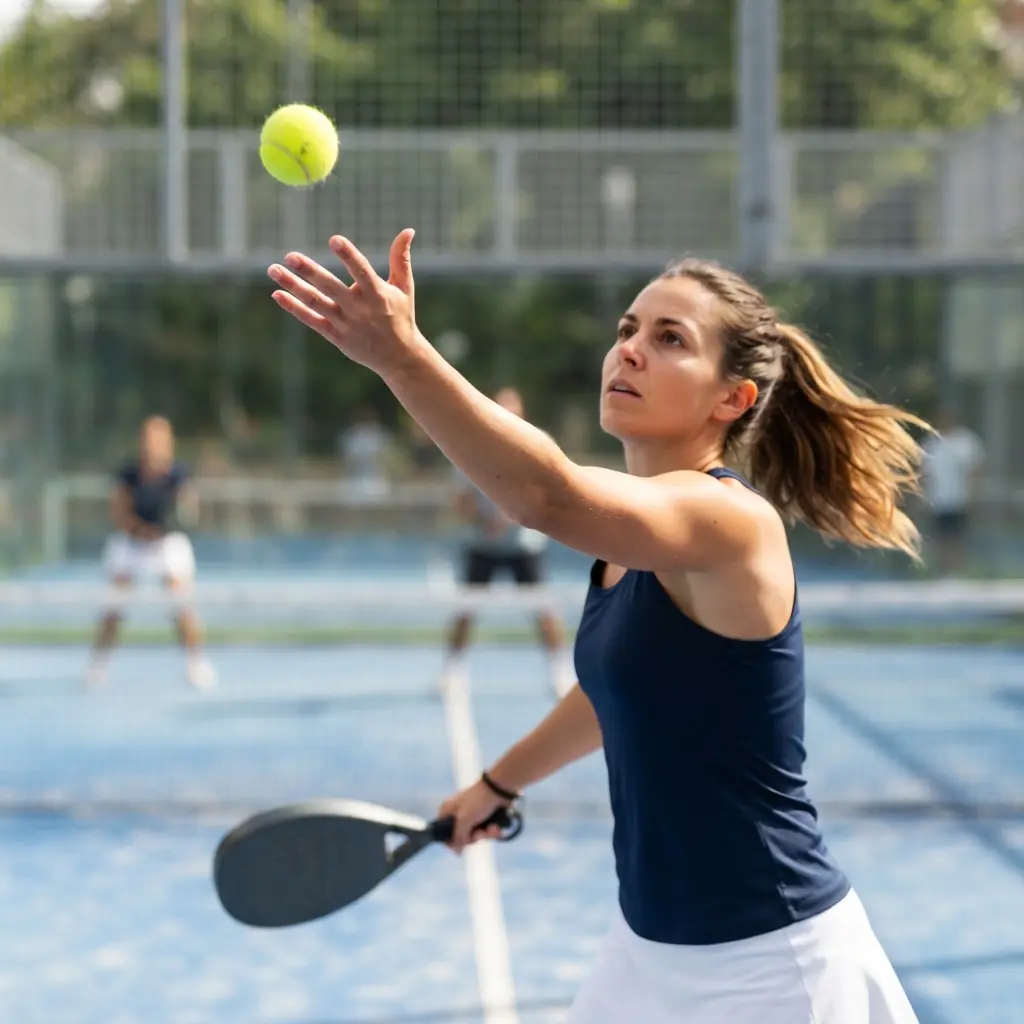
You don't need the full rulebook before your first session — just the basics: it's always doubles, the serve is underarm and hit at or below hip height, and the ball can be played off the walls, but only after it's bounced on the court first. Everything else — scoring, changeovers, the deuce options — you can pick up as you go. See our full padel rules explainer when you're ready for the complete picture, and our padel vs tennis comparison if you're coming from a tennis background and want to know exactly what carries over.
Frequently Asked Questions
Do I need my own racket to start playing padel?
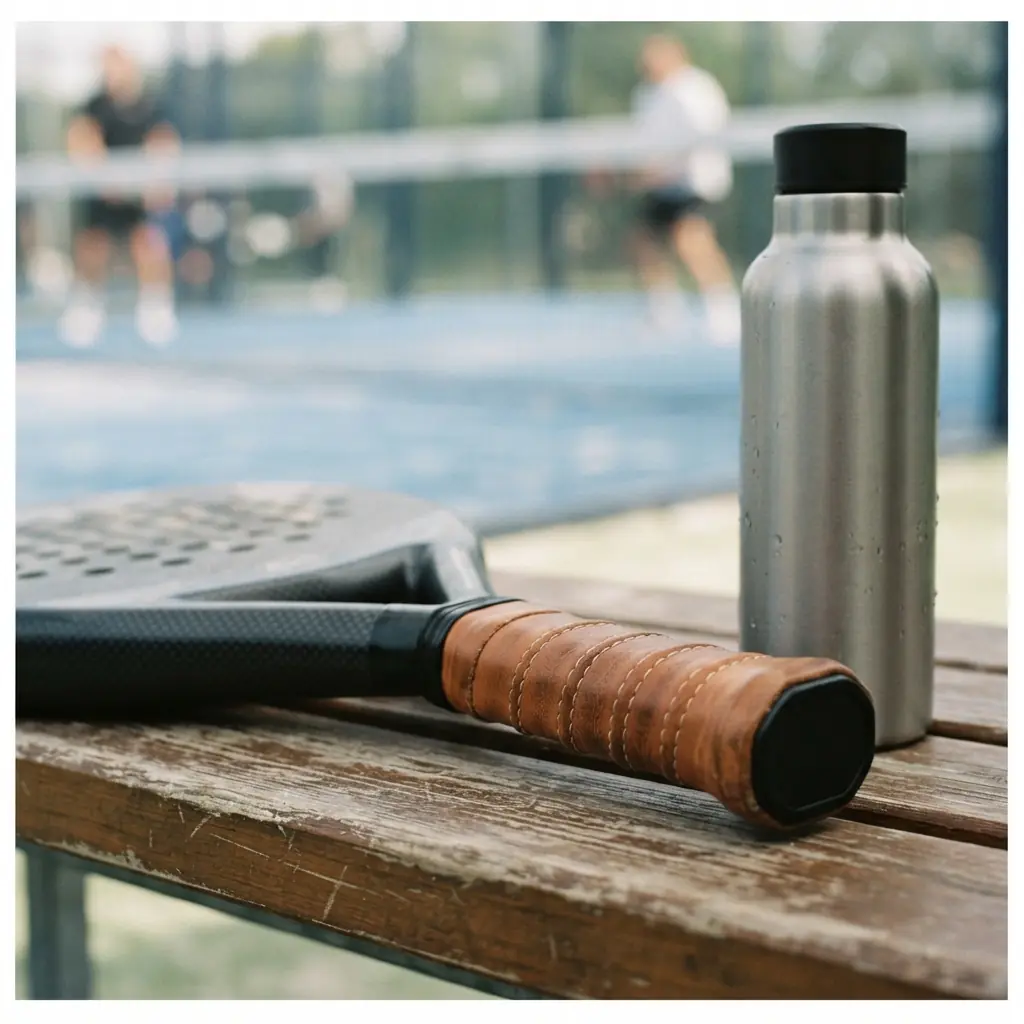
No. Nearly every club rents rackets for $5–10 a session, so you can try the sport several times before buying anything.
Is padel hard to learn?
The basics — the underarm serve, doubles positioning, and simple wall shots — are approachable for most beginners within a session or two. Consistently controlling shots off the glass and mesh takes longer, the same way dinking takes time to master in pickleball.
How much does it cost to start playing padel?
Most beginners spend $150–300 total once they buy their own racket, shoes and a few cans of balls. Before that, renting keeps your first sessions to roughly the cost of court time and a lesson.
Can I play padel if I've never played tennis or pickleball?
Yes. Padel's underarm serve and forgiving round rackets make it approachable with zero racket-sport background — you don't need a tennis serve or a pickleball dinking game to start.